

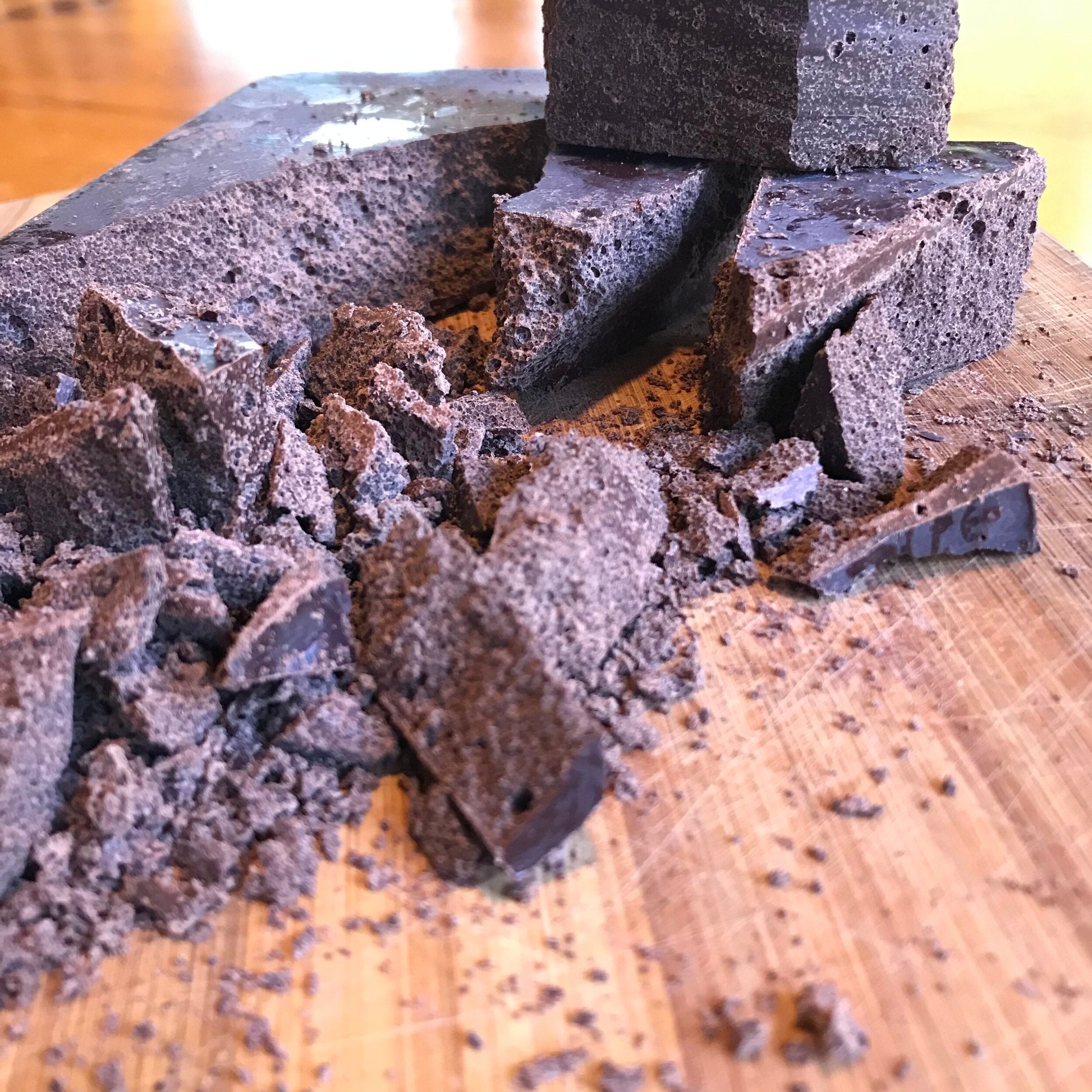
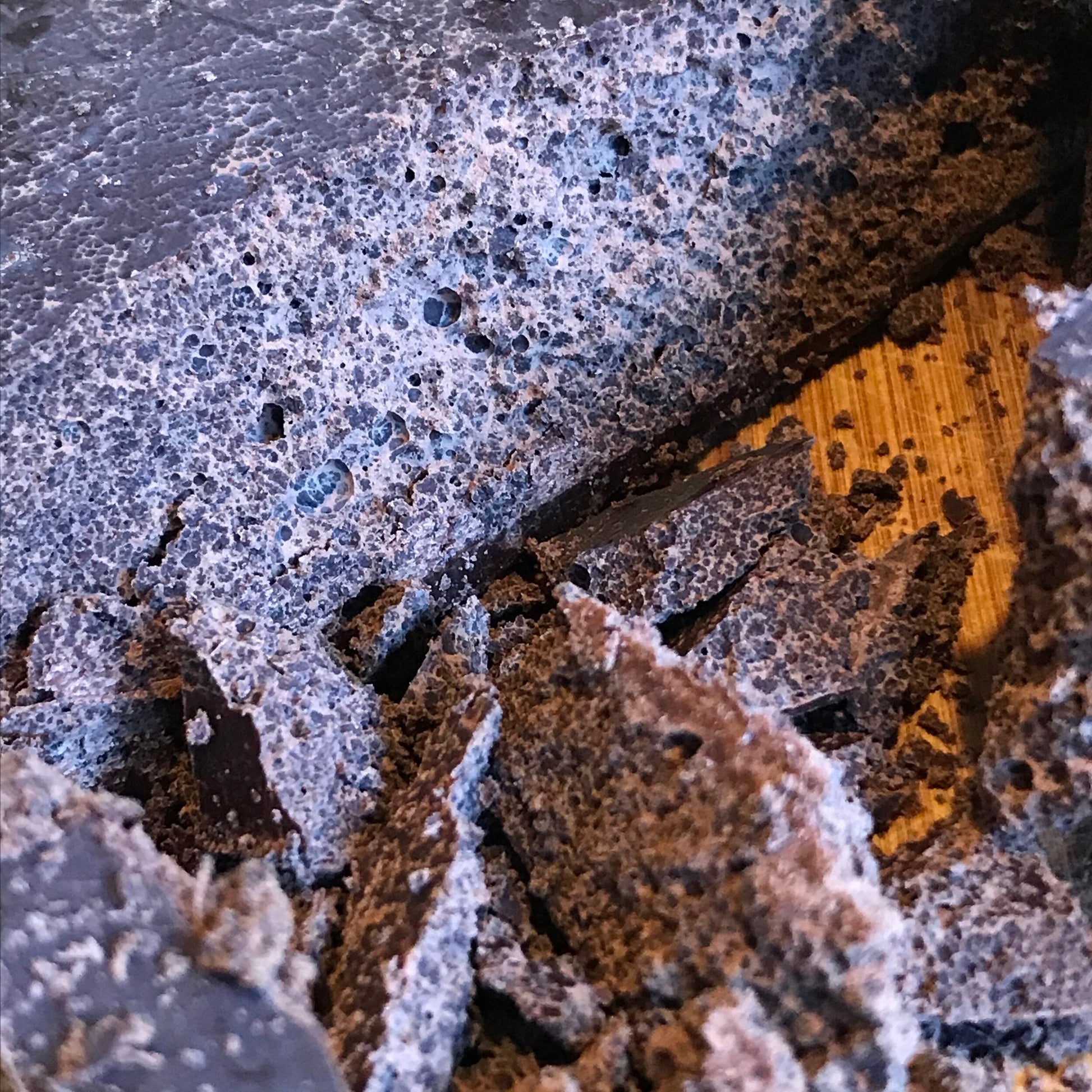


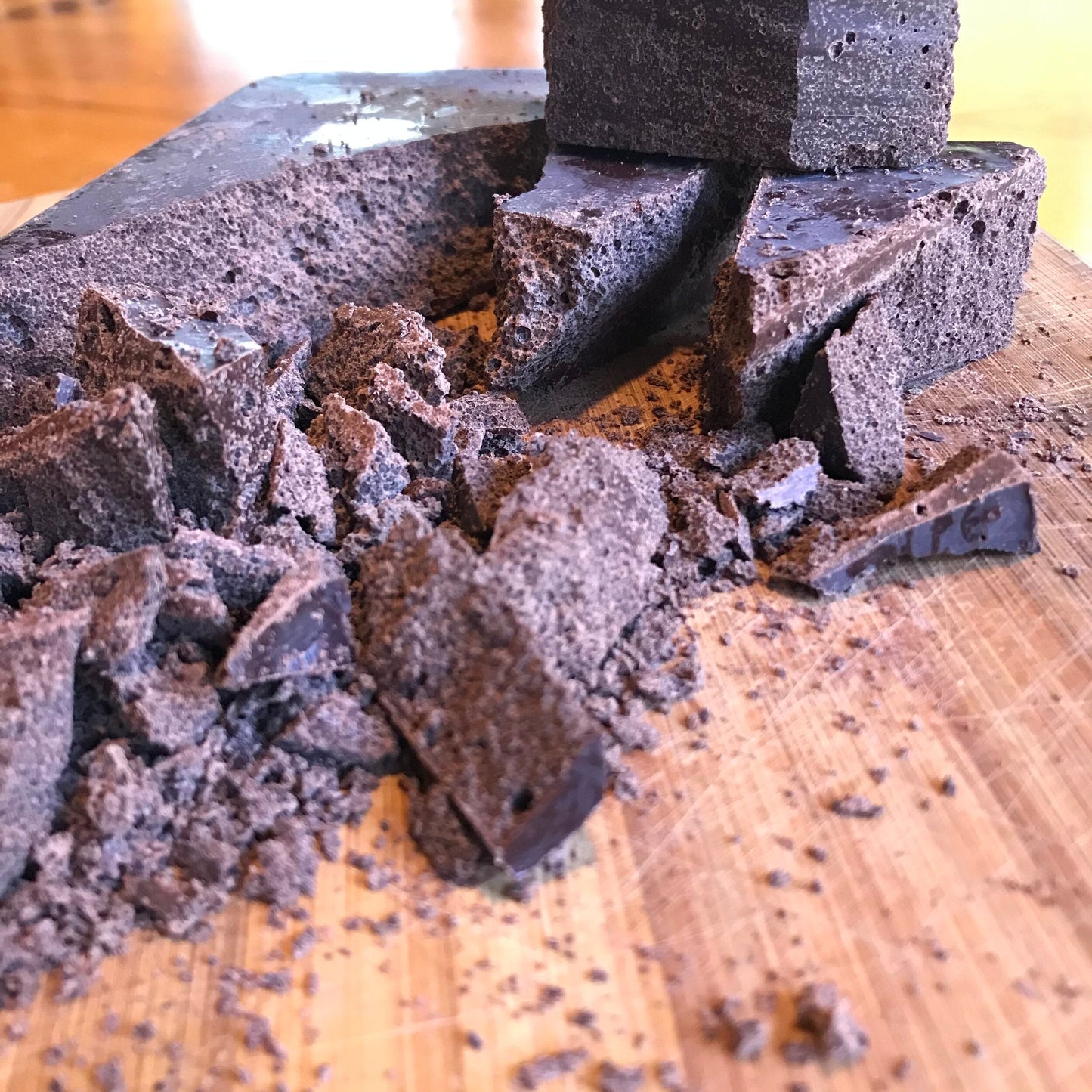
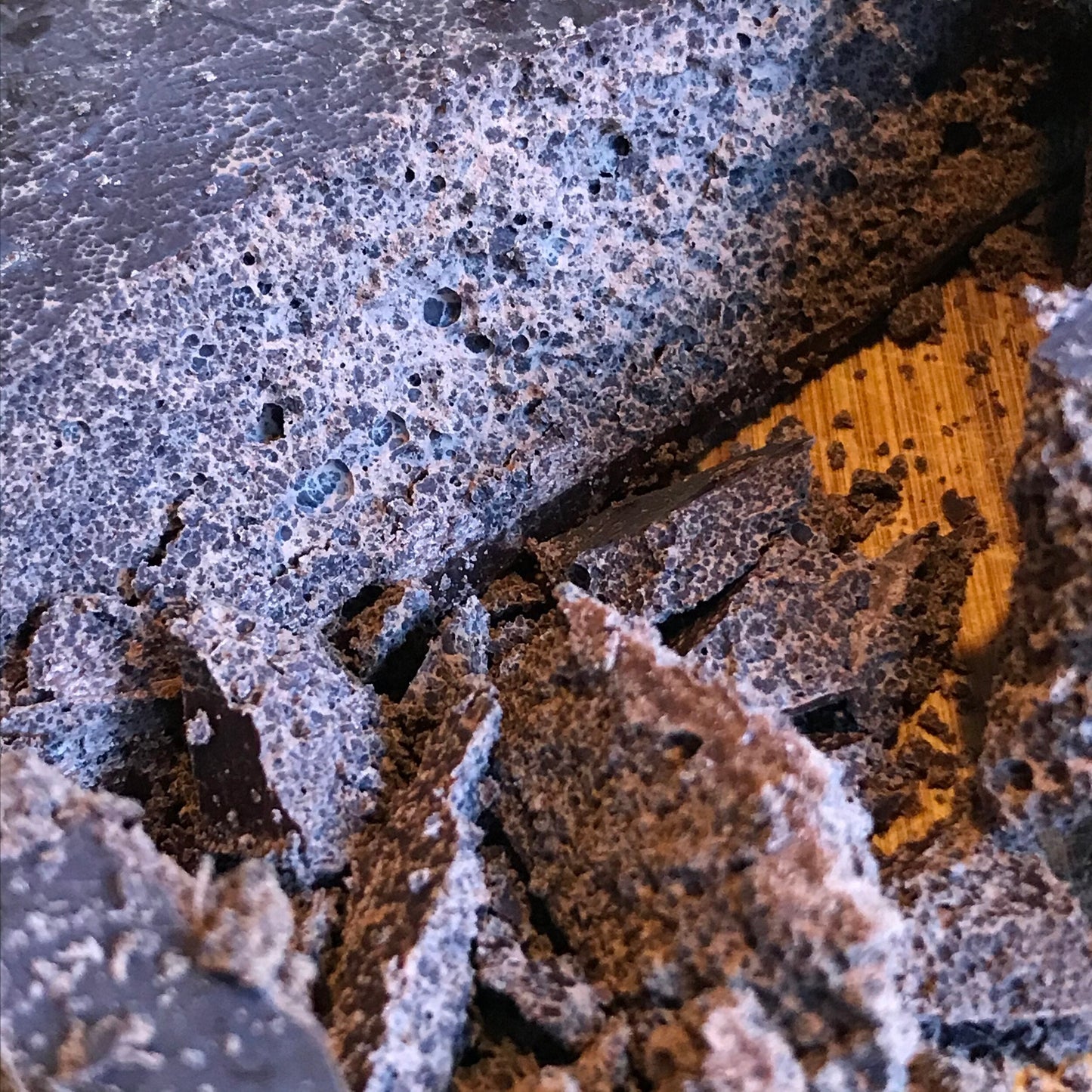

El Cedro Origin comes from the village of El Cedro, nestled in the mountains above Livingston on Guatemala's Caribbean coast. This region, characterized by lush tropical forests and rich volcanic soils, creates ideal conditions for cacao cultivation. The Caribbean microclimate—with its consistent rainfall and elevation—contributes to the distinctive flavor profile of beans grown here.
The cacao is cultivated by Angel and Irma Yatz Xol, members of the Q'eqchi' Maya community. Their family history reflects a journey shared by many Indigenous families in the region. Their grandparents migrated from the Guatemalan highlands during the 1960s and 1970s, seeking refuge from conflict and building a new life through subsistence farming.
The Livingston area, a culturally vibrant hub where Garífuna, Q'eqchi' Maya, and Mestizo communities coexist, has become a focal point for sustainable cacao production. This region's commitment to preserving both cultural heritage and forest ecosystems makes it a unique origin point for specialty cacao.
Today, the family continues to steward their land while participating in a growing movement toward regenerative cacao agroforestry.
The journey of this cacao is remarkable. Angel walks over an hour to reach his farm, harvests cacao with the help of his family, and carries the pods back home for fermentation and drying. Once the cacao is ready, he wakes before dawn, walking to the nearest access point on the Río Dulce before traveling by canoe to Livingston. From there, the cacao begins its journey to Cacao Source.
Every bean reflects not only the richness of the land but also the dedication and perseverance of the family who grows it.
The cacao is cultivated by Angel and Irma Yatz Xol, members of the Q'eqchi' Maya community. Their family history reflects a journey shared by many Indigenous families in the region. Their grandparents migrated from the Guatemalan highlands during the 1960s and 1970s, seeking refuge from conflict and building a new life through subsistence farming.
The Livingston area, a culturally vibrant hub where Garífuna, Q'eqchi' Maya, and Mestizo communities coexist, has become a focal point for sustainable cacao production. This region's commitment to preserving both cultural heritage and forest ecosystems makes it a unique origin point for specialty cacao.
Today, the family continues to steward their land while participating in a growing movement toward regenerative cacao agroforestry.
The journey of this cacao is remarkable. Angel walks over an hour to reach his farm, harvests cacao with the help of his family, and carries the pods back home for fermentation and drying. Once the cacao is ready, he wakes before dawn, walking to the nearest access point on the Río Dulce before traveling by canoe to Livingston. From there, the cacao begins its journey to Cacao Source.
Every bean reflects not only the richness of the land but also the dedication and perseverance of the family who grows it.